
Asia Pacific retail will be won on local execution, not scale
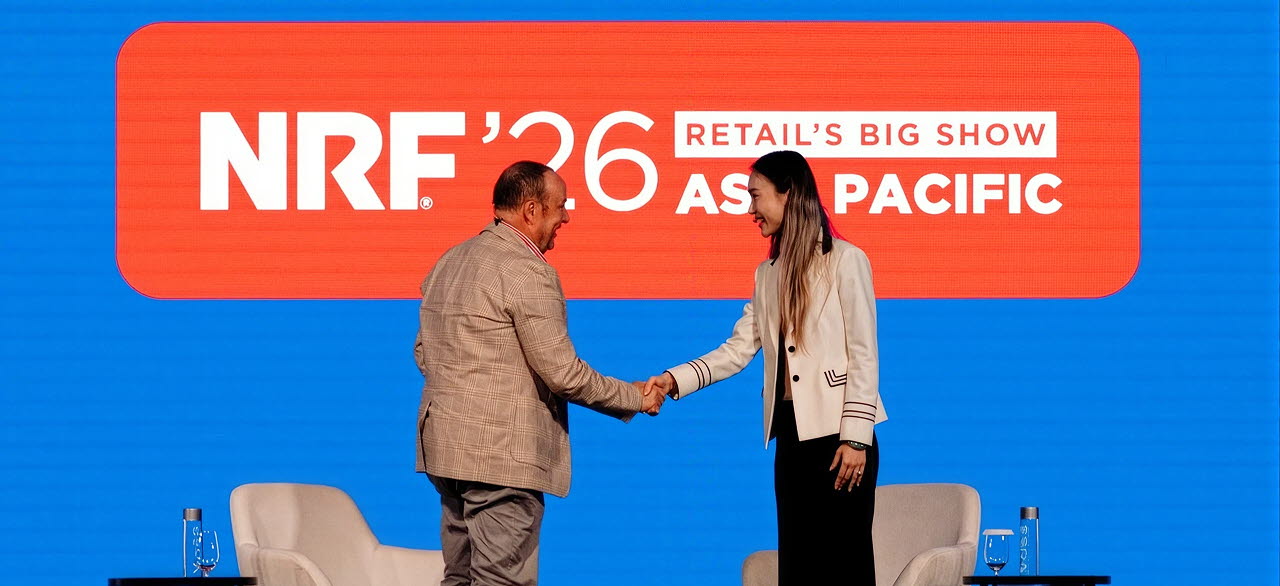
NRF APAC 2026 made one thing clear: the future of Asia Pacific retail will depend less on scaling the same model everywhere and more on executing locally.
The most valuable conversation was not about a new screen, robot or AI promise. It came from Toru of H2O Group, who described how customers continued reaching out when stores were forced to close during Covid-19.
Scale is not the story. Complexity is.
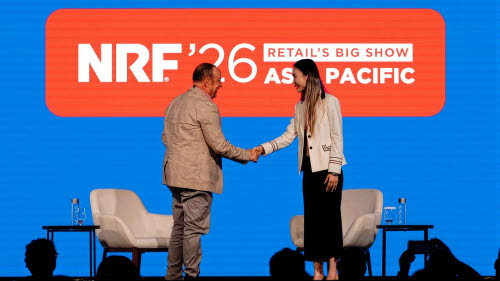
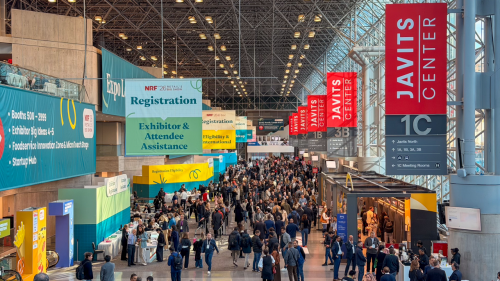
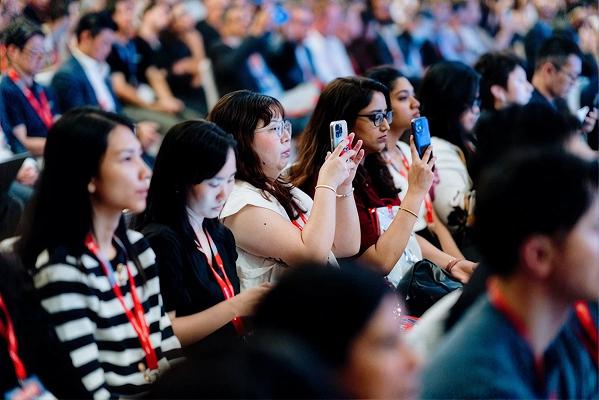
NRF 2026: Retail’s Big Show Asia Pacific ran from 2 to 4 June 2026 at Marina Bay Sands in Singapore. The third edition brought together 9,000 registrants from 70 countries, more than 260 exhibitors and sponsors, 2,500 leading retail brands and 20 new product and technology launches.
Those figures are impressive, but the main point is what they reveal: APAC is not a single retail market. It is a collection of markets with different payment behaviours, store economics, digital habits, labour realities, customer expectations and trust models.
A store format that works in Singapore may not work in Japan. A checkout model that feels natural in Thailand may create friction elsewhere. Growth does not remove complexity. It exposes it.
The question is not, “Can we scale this solution across APAC?” It is, “What has to remain consistent, and what must be designed locally?”
APAC retail growth requires discipline
In the ITAB Group Podcast, recorded live at EuroShop, Ryf Quail, Managing Director of NRF APAC, shared a clear signal: APAC retail is growing at around 7% a year. That number explains the attention the region attracts. It should also make retail leaders more disciplined.
Fast growth can hide weak operating models for a time. It can make a store concept look stronger than it is. It can make technology adoption look like progress even when the operational foundation underneath remains fragmented.
This is where the industry often gets the APAC conversation wrong.
The consensus view is that the region is exciting because shoppers are digitally advanced, mobile-first and open to new retail experiences. That holds true in many markets, but it is only part of the picture.
The harder truth is that digital adoption does not simplify retail. It usually increases the number of journeys a retailer has to support. A customer may discover through social commerce, compare through a marketplace, pay through a local wallet, visit a physical store for reassurance, expect real-time availability, and still want human contact before buying. That is not an ecommerce problem. It is an operating model problem.
For retailers, this is where store design, checkout, lighting, customer flow, colleague tools and technology integration have to be treated as one system: not as separate projects, and not as a store conversation in one place and a digital conversation somewhere else.
The businesses that win in APAC will be those that can localise the front end without losing control of the back end.
From product selling to customer communication
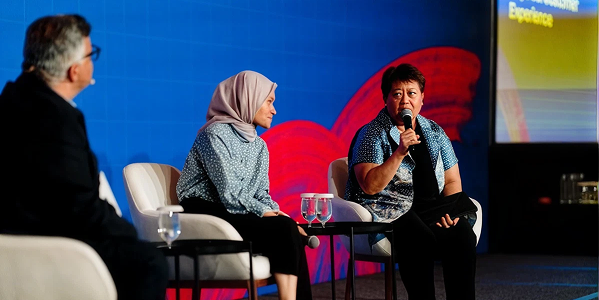
The conversation with Toru of H2O Group stood out because it was not framed as technology for its own sake.
H2O Group has a significant retail footprint in Japan across department stores, supermarkets and related formats. During Covid-19, customers continued to contact the business about products, advice, availability and support.
That moment exposed a familiar problem: inventory, customer data, store teams and digital teams often held different views. Legacy systems were doing what they were built to do, but not what the next stage of retail requires.
Retail is no longer only about placing products in front of customers and making the transaction easier. It is about maintaining a useful relationship across moments, channels and needs.
Customers do not care how a retailer is organised internally. They care whether the business recognises them, helps them and responds accurately. That means CRM, inventory, product information, loyalty, service and store operations cannot remain disconnected.
The store is not being replaced by digital transformation. It is where much of that transformation becomes visible.
AI cannot fix a weak customer journey
NRF APAC gave plenty of attention to AI, intelligent supply chains, robotics, immersive commerce, analytics and connected stores. The more important question is whether AI is being added to a journey that already makes sense.
AI can improve discovery, service, forecasting, replenishment, colleague support and customer communication. It cannot compensate for poor store flow, weak product availability, disconnected data or unclear service roles.
If a customer asks a digital assistant about availability, then arrives in-store and the colleague cannot see the same information, the retailer has created a more visible failure. A connected store is not a store with more devices. It is a store where the physical environment, digital systems, customer data and colleagues support the same outcome.
The APAC Local Operating Stack starts with the local customer journey, then connects the format, technology, data and people around that journey. Not the other way around.
What this means for retailers across Asia Pacific
Retailers across the region are facing changing customer expectations, labour pressure, rising costs, new payment behaviours, AI adoption, marketplace influence and the ongoing need to keep stores commercially effective.
The answer is not another broad transformation message. It is better execution of the retail environment.
A store has to move customers through the right journey, support colleagues, make stock and checkout easier to manage, carry the brand in a way that fits the market, and remain efficient enough to operate and flexible enough to adapt.
A premium department store in Japan, a high-flow grocery environment in Southeast Asia and a digitally influenced convenience format in Singapore will not need the same answer. They may, however, need the same discipline:
Understand the local customer. Define the operational outcome. Design the store around the journey. Connect the data. Support the colleague. Execute consistently.
That is the stack.
The Next Now
The theme of NRF APAC 2026 was “The Next Now”. The next stage of APAC retail is not simply more AI, automation or channels, but making those pieces work in local environments where customers, stores and trust differ.
The retailers who succeed will be those that translate strategy into working conditions, market by market, store by store.
For retail leaders across Asia Pacific, the question is: where does the customer journey still break because the store, data, colleague tools and service model are not working from the same stack?